Spokane Valley top Water Purification Systems for Cleaner Healthier Water
Spokane Valley top Water Purification Systems for Cleaner Healthier Water
Blog Article
Pure and Clean: The Importance of Water Purification Systems
Access to pure and fresh water is a vital need. Many residences fail to notice the potential contaminants lurking in their tap water. Heavy metals, bacteria, and chemicals can cause serious health risks. Water purification systems offer a solution by successfully removing these impurities. However, understanding the various options available and their environmental impact is essential. What factors should one ponder when picking the most suitable system for their home? The answers may amaze you.
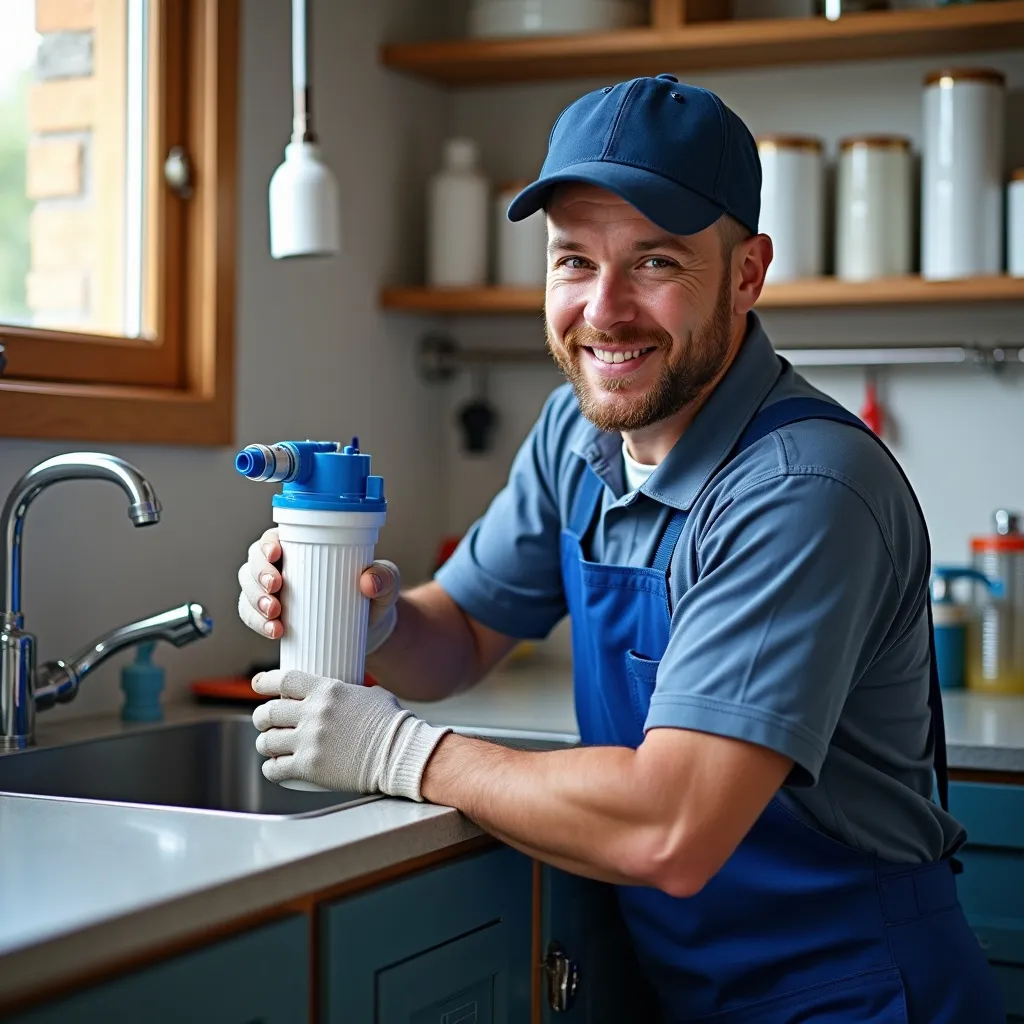
What dangerous pollutants Are embedded in Your Water?
What obscured dangers exist within everyday water sources? Many people fail to understand the potential impurities that may compromise their wellbeing. Common pollutants comprise heavy metals such as lead and arsenic, which can leach into water systems from aging infrastructure or industrial runoff. Microbial hazards, including bacteria and viruses, often emerge from agricultural runoff or inadequate sanitation practices. Additionally, chemical contaminants like pesticides and pharmaceuticals are frequently detected, stemming from agricultural activities and improper disposal methods.
Chlorine and chlorine by-products, utilized for disinfection, can also pose risks, resulting in long-term health issues. Moreover, emerging contaminants such as microplastics have become a growing concern, as they linger in water sources and may be ingested through consumption. Understanding these concealed threats is vital, demanding effective water purification systems to protect community wellness and ensure safe drinking water.
How Liquid Purification Works
Comprehending how water purification works involves examining assorted methods used to filter out unwanted substances. Filtration methods, reactive processes, and UV treatment each play a vital role in ensuring water quality and safety. By studying these techniques, one can value the nuances of reliable water purification systems.
Discover Clarification Systems
What way do various filtration methods facilitate effective water purification? Treatment techniques are fundamental in removing contaminants from water, verifying its safety for consumption. Mechanical screening deploys physical barriers, such as screens or membranes, to trap particles and sediment. Activated carbon filters remarkably soak up organic compounds and chlorine, enhancing taste and odor. Reverse osmosis leverages a semi-permeable membrane to purge dissolved solids, bacteria, and viruses, providing highly purified water. Additionally, ceramic filters can seize microorganisms, contributing another layer of protection. Each method varies in efficiency and application, often combining to amplify overall purification effectiveness. By grasping these filtration methods, individuals can make informed choices in selecting appropriate water purification systems for their circumstances.
Chemical Refinement Methods
Chemical cleaning view this strategies convert contaminated water into safe drinking water through diverse methods that focus on specific pollutants. These methods often require the addition of chemical agents, such as chlorine or ozone, to remove dangerous microorganisms and pathogens. Coagulation and flocculation are other vital processes, where chemicals are introduced to bind smaller particles into larger aggregates, supporting their removal. Additionally, advanced oxidation processes utilize reactive species to break down organic contaminants. Ion exchange systems can successfully remove heavy metals and other ionic pollutants by exchanging unwanted ions with less harmful ones. Overall, chemical purification plays an essential role in securing water safety, providing an important barrier against various contaminants that may threaten public health.
UV Treatment Positive Effects
Following purification techniques, UV treatment offers a alternative approach to ensuring water safety. This technique utilizes UV radiation to eliminate harmful microorganisms, such as bacteria, viruses, and protozoa. By disrupting the DNA of these pathogens, UV treatment effectively stops their multiplication and renders them harmless. One of the main benefits of this system is its quickness; water is purified instantly as it flows through the UV chamber. Additionally, UV treatment does not add any chemicals or change the water's taste or odor, rendering it an attractive choice for many households. It needs minimal maintenance and functions efficiently, often in conjunction with other purification methods, improving overall water quality and safety without the use of harmful substances.
Why Proper Water Purification Matters for Our Natural World
Effective water cleansing is necessary for upholding environmental health, as it directly impacts ecosystems and human communities alike. Contaminated water sources can result in detrimental effects on wildlife, breaking food chains and lowering biodiversity. Pollutants such as heavy metals, chemicals, and pathogens can infiltrate natural habitats, menacing aquatic life and damaging the integrity of ecosystems.
Additionally, safe water is critical for farming operations, as tainted water sources can alter crop yields and soil quality. In urban areas, reliable water treatment systems assure that communities have the ability to obtain safe drinking water, reducing health risks associated with waterborne diseases.
Which Water Purification System Is Right for You?
Selecting the proper water purification system relies on various factors, including the specific contaminants present and the expected use of the water. For households, common options include activated carbon filters, reverse osmosis systems, and UV purifiers. Activated carbon filters efficiently remove chlorine, sediment, and some volatile organic compounds, which makes them ideal for taste and odor. Conversely, reverse osmosis systems are more comprehensive, eliminating a wider range of contaminants, including heavy metals and salts, which is best for areas with hard water. UV purifiers, while not effective against chemical pollutants, are excellent for killing pathogens, which makes them suitable for well water users. For industrial or large-scale applications, advanced systems like multi-stage filtration or distillation may be necessary. Ultimately, understanding specific water quality needs and usage scenarios directs the selection of the most appropriate purification system.
How to Choose the Proper Water Filtration System
What is the best way to choose the most appropriate water purification system for your requirements? First, an assessment of water quality is essential. Analyzing for contaminants such as bacteria, heavy metals, and chlorine will inform the selection process. Next, taking into account the volume of water required daily is vital; some systems cater to small households, while others are engineered for larger demands.
Yet another consideration to examine is the desired purification method, whether it be reverse osmosis, UV filtration, or activated carbon. Each method has its positives and limitations, affecting overall effectiveness and operational needs. Finances also holds a critical part; systems span widely in price, both upfront and in daily running expenses.
To conclude, analyzing warranties and customer support options can provide understanding into the trustworthiness of a product. By carefully evaluating these aspects, an informed choice can be determined, securing access to potable and clean water.
Service Tips for Your Water Purification System
Proper maintenance is crucial for guaranteeing the performance of water purification systems. Regular filter replacement and regular equipment maintenance play vital roles in maintaining water quality and extending the lifespan of the equipment. Following these practices helps avoid issues that could undermine the system's efficiency.
Routine Filter Replacement
Regular filter replacement is an crucial aspect of upkeeping an efficient water filtration system. Filters are key in removing contaminants and ensuring the water is safe to drink. Over time, filters gather contaminants, which can cause reduced effectiveness and even affect water quality. It is generally recommended to replace filters based on the manufacturer’s guidelines, often every six months to a year, depending on usage and water quality. Neglecting this maintenance can result in decreased flow rates and potential bacterial growth. Regularly monitoring the filter condition and following a replacement schedule not only improves the system’s functionality but also safeguards the health of those relying on purified water.
Periodic System Cleaning
Maintaining a water filtration system goes beyond changing the filters; routine system cleaning is just as essential for best performance. Over time, impurities may accumulate within the system, reducing water quality and flow rates. Regular wiping of external surfaces and cleaning internal parts, such as tanks and tubing, helps avoid buildup and ensures efficient operation. It's advisable to check the manufacturer’s guidelines for cleaning instructions and schedule. Additionally, monitoring for leaks and maintaining proper connections can prevent potential problems. Scheduling routine servicing not only lengthens the lifespan but also boosts water purity. Ultimately, a well-maintained purification system delivers consistent access to safe, clean water for everyone.
Reasons to Invest in a Home Water Purifying System
Purchasing a home water treatment system can markedly improve the excellence of drinking water, especially in areas where municipal supplies may contain contaminants. These systems proficiently remove impurities such as chlorine, heavy metals, and harmful bacteria, assuring safer and healthier water for use.
Home water purification devices frequently generate improved taste and odor, making drinking water more appealing for families. They can also promote the durability of home appliances by inhibiting mineral deposits, which can inflict damage over time.
Additionally, investing in such a system can be cost-effective in the long run, reducing the need for bottled water and reducing plastic waste.
Also, having access to purified water fosters better fluid absorption, which is essential for comprehensive well-being. To wrap up, a home water purification system not only enhances water quality but also delivers financial, ecological, and wellness advantages, rendering it a valuable purchase for any residence.
Popular Inquiries Asked
How Frequently Do I Need to Replace My Water Purification System Filters?
Filters in a water purification system should typically be changed every half a year to one year, depending on how often they are used and water quality. Regular maintenance guarantees peak performance and safe drinking water for households.
Do Water Treatment Systems Eradicate Every Type of Bacteria?
Water cleaning apparatus can effectively remove many forms of bacterial matter, but not all. The effectiveness depends on the system's technology, filter criteria, and maintenance practices, highlighting the importance of picking a proper purification approach for specific contaminants.
Do Water Purification Systems Squander a Lot of Water?
Water purification systems can waste a considerable amount of water, specifically reverse osmosis systems. The waste changes by model, but on average, they may throw away three to four gallons for every gallon of treated water produced.
What Health Risks Exist With Unfiltered Tap Water?
Untreated tap water may create potential health issues, including contact to pollutants like lead, bacteria, and pesticides. Susceptible populations, such as children and the elderly, face greater hazards from these harmful contaminants in consumable water.
What Does a Quality Water Purification System Expense?
A premium water treatment system generally ranges between $200 and $2,000, determined by the type and features. Installation and maintenance may boost the overall cost, shaping the total investment for homeowners.
Report this page